
ATTENTION AND LISTENING
Some children find it hard to listen and concentrate in either 1:1 and group or whole class situations. Difficulties with attention and listening have an effect on all areas of learning; if a child is not able to listen and pay attention they will be unable to process information they are given.
This section includes relevant resources and advice to support the development of attention and listening skills.
WHY IS ATTENTION IMPORTANT?
Children have to learn to focus their attention on to different things. This usually starts with attending to people, then to objects, then being able to share their attention between people and objects.
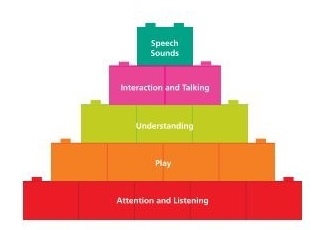
Children need to develop their attention skills before they learn to understand words and learn to talk.
Children need to be able to attend and concentrate so that they can learn new skills, including how to communicate.
'READY, STEADY, GO! GAMES'

The child is encouraged to wait until you’ve said “go” before each turn. Increase the length of time (s)he has to wait for the word, “go”.
Ideas to try:
- Roll a ball/car between you and child
- Build a tower of bricks or stacking cups together and knock it over.
- Child pinches the end of an inflated balloon and waits for “go” before they let go of the balloon
- Play with a click clack track/ garage. Child waits for “go” before sending the car down the chute/track.
- Use shakers or drums. Child waits for you to say “go” before they can play the instrument.
- Child waits for you to say “go” before they can run to pop the bubbles
TAKE TURNS IN SIMPLE GAMES
Increase the amount of time the child will sit and take turns.
Ideas to try:
Take turns to…
- Add a brick to a tower
- Put a piece in a jigsaw
- Roll a ball to each other
HIDE AND SEEK
Ideas to try:
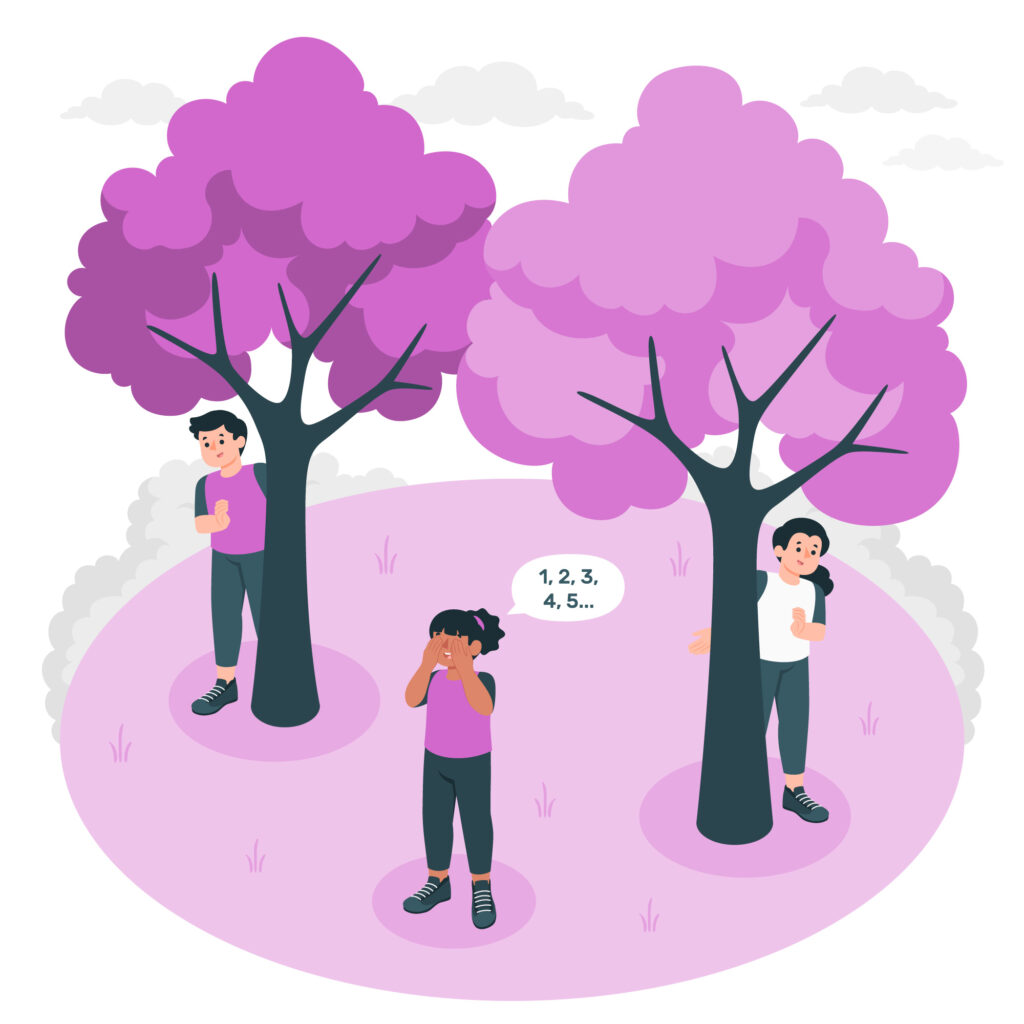
- Hide things that make a noise (ie musical instrument, wind-up toy). See if the child can find the toy by listening to the sound.
- Hide behind a chair and make a sound such as a giggle. See if the child can find you.
- Fill yoghurt pots with different things ie rice, bells. Shake them and listen to the sounds. Do they sound the same or different.
ACTION SONGS AND RHYMES
Ideas to try:
- Sing songs together such as ‘wind the bobbin up’ and ‘wheels on the bus’ and encourage child to join in and copy the actions
- Leave pauses in the song so the child has chances to fill in the gaps
- Use a wooden spoon to bang on different surfaces. Can they hear the different sounds? Can the bang along to their favourite songs.
- Stories – look at books together and encourage the child to sit and listen and join in with their favourite parts of the story.
- Play “Simon says….” Encourage the child to listen to the instruction before carrying out the action, for example, clap your hands, touch your nose, stamp your feet.
- Play musical statues – the child listens for when the music stops and then stops dancing.
- Drawing Games – The child has to listen to instructions about what to draw i.e. draw a red circle or draw a house with a green door. Make the instructions harder and longer as the child’s skills develop.
- Name Games – e.g. who stole the cookie from the cookie jar…. “Jack stole …..” Any other story or song which involves names or listening for actions or buzz words.
- Story Books – Listen to a short story and see if the child can respond to simple questions about what happened. Initially tell them the questions beforehand what they are looking out for. Then start to see if they can they predict what will happen or how the story will end? Can they retell the story in their own words?
PLAY LISTENING GAMES
Ideas to try:
- Use sound lotto games, There are lots of apps available or videos online, See If the child can match the sound to a picture.
- Make noises with keys, shakers or instruments, see if the child turns to the noise.
- Go on a listening walk. Talk about the sounds you hear, birds chirping, aeroplanes flying, people talking, phones ringing.
- Use musical instruments. See if the child can copy the number of beats or shakes.
- Play musical bumps. Dance to the music then ‘bump’ to the floor when the music stops
- Animal Antics – Put a selection of familiar animals in front of the child. Make the sound of one of the animals and let the child try to find it.
- Red, Amber, Green – This game is fun to play outside! Let the child run around and listen for the colours. When you say green the child can run. Red means stop and amber means sit down or clap hands.
- Kim’s Game – Place four or more items on the floor. The child closes their eyes then once they open them they have to try to guess which items you have removed.
- I Went Shopping and I Bought……… – Play this in a small group or with individual children and increase the number of items the child has to remember.
- Shopping List Game – Make a list of items that you want the child to find, from the classroom. Gradually increase the amount of items that the child has to remember.